Features
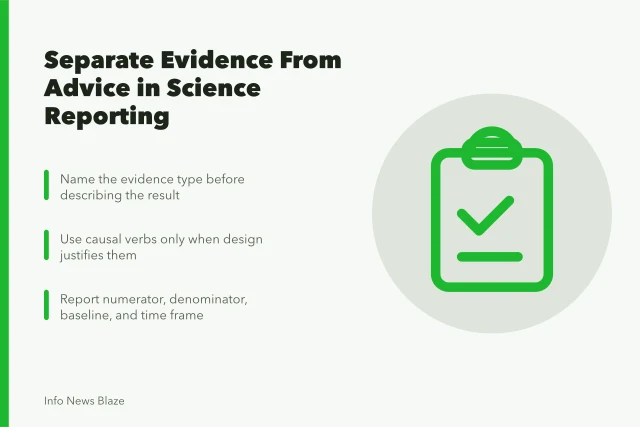
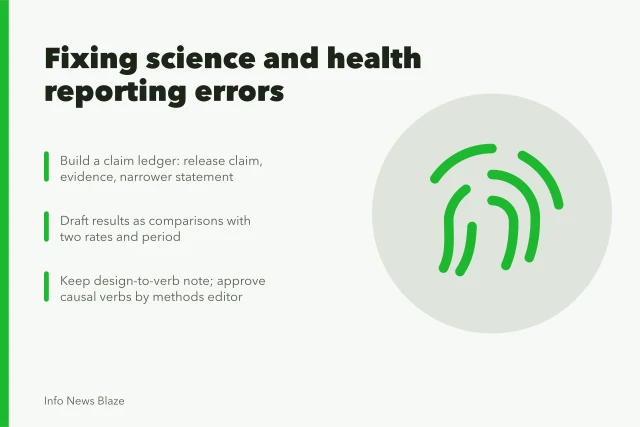
Part of Science reporting guides work best when evidence and advice stay separate
What a health alert can say before the case count is confirmed
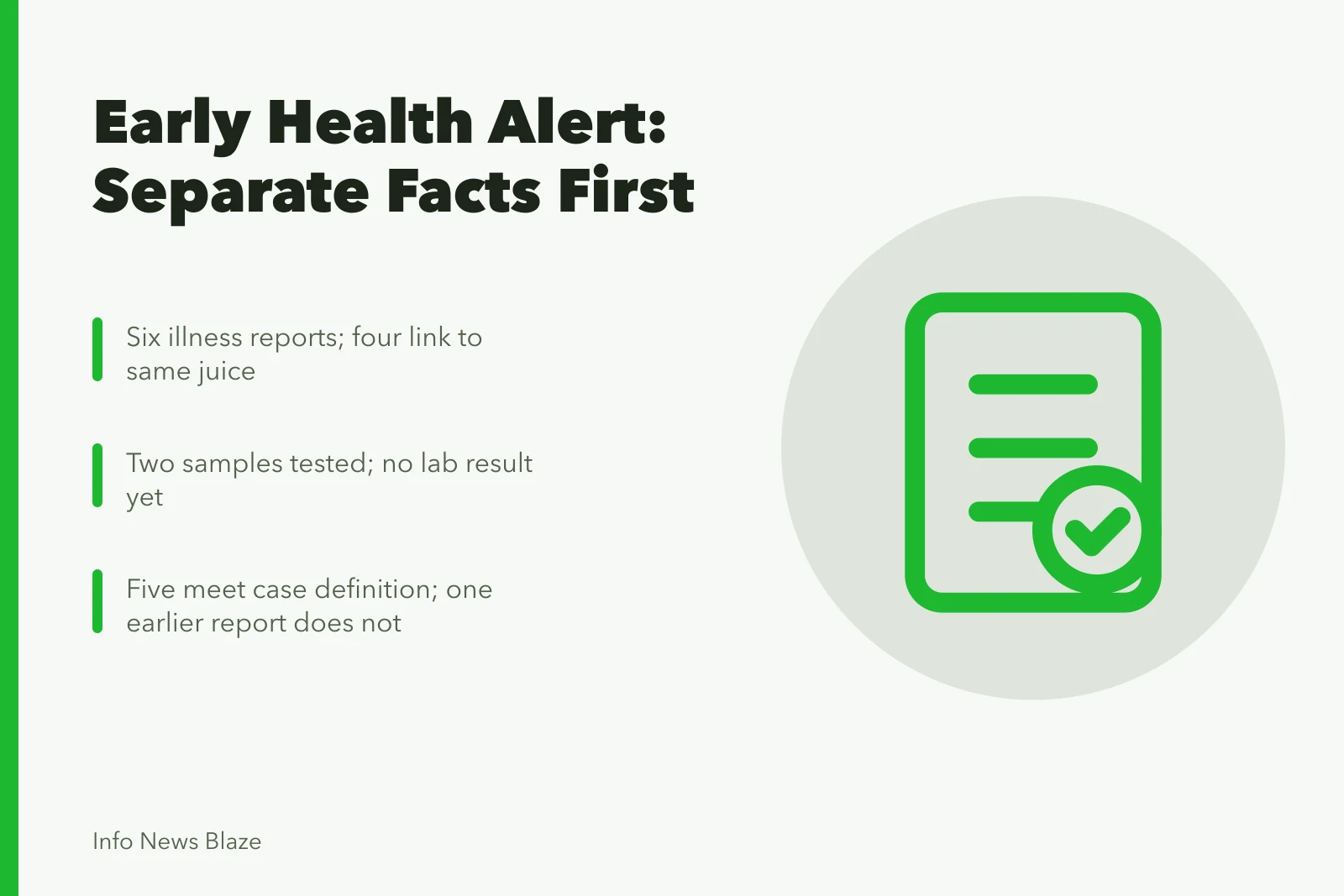
Early health alert desk case showing how a newsroom can separate reports, confirmed cases, investigation status, public advice, uncertainty, and updates.
What to take away
- Count reports, tested samples, confirmed cases, and affected people separately.
- Put the investigation's status beside the first claim.
- Attribute public advice to the responsible agency.
- Explain what evidence would confirm or weaken the working explanation.
- Publish a timed update even when the conclusion has not changed.
This fictional case shows a newsroom responding to an early health alert. The place, agency, product, people, figures, and documents are invented. The cited sources support the reporting method, not the fictional event.
The first notice
At 8:15 a.m., the fictional North River Health Department posts a notice about six gastrointestinal illness reports from people who attended events at three venues. Four people say they drank the same bottled juice brand. Two samples are being tested. No laboratory result is available, and investigators have not named a source.
A producer drafts this headline:
Popular juice sickens six as outbreak spreads across North River
The headline has four unsupported parts. The product has not been identified as the cause, the reports are not all confirmed cases, "popular" has no evidence, and three venues do not show that the event is spreading.
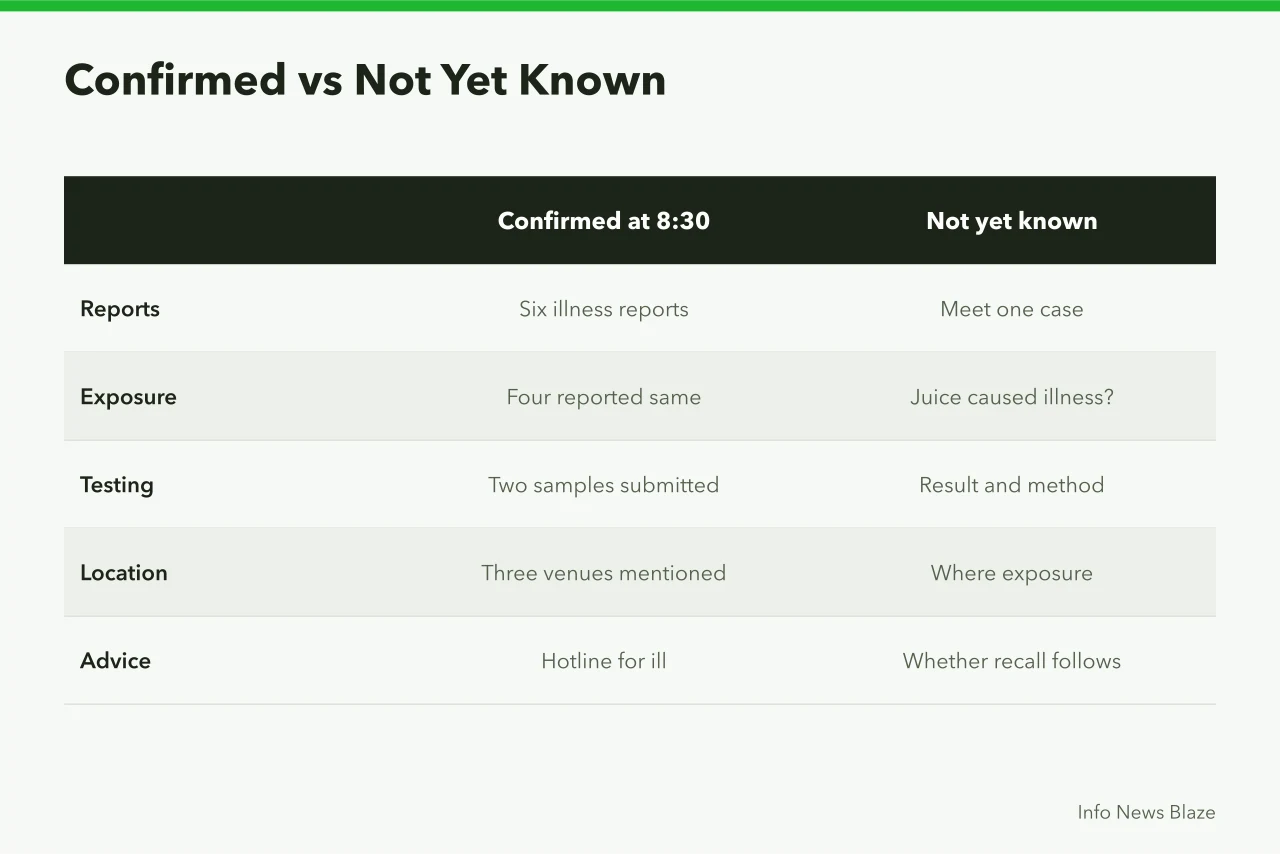
Build the first fact table
| Item | Confirmed at 8:30 a.m. | Not yet known |
|---|---|---|
| Reports | Six illness reports received | Whether all meet one case definition |
| Exposure | Four people reported the same juice | Whether the juice caused illness |
| Testing | Two samples submitted | Test result and laboratory method |
| Location | Reports mention three venues | Where exposure occurred |
| Advice | Agency asks ill attendees to call a hotline | Whether a recall will follow |
The first story can report an investigation. It cannot report a proven outbreak source. Holding that line is the center of the science and health reporting guide.
Write the 9 a.m. version
A defensible lead reads:
North River health officials are investigating six gastrointestinal illness reports linked by attendance at three recent events. The department has not identified a cause and says laboratory testing is pending.
This version preserves urgency without converting the agency's working information into a conclusion.
CDC material on communication during medical field investigations describes the need for understandable communication, prompt reporting, acknowledgement of uncertainty, and follow-up. Those principles support telling readers what investigators know now and when the next public update is expected.
Separate the counts
At noon, the department says five people meet its working case definition. One earlier report does not. The desk should not write that the count "fell from six to five" without explaining the classification change.
The running notes should maintain separate fields:
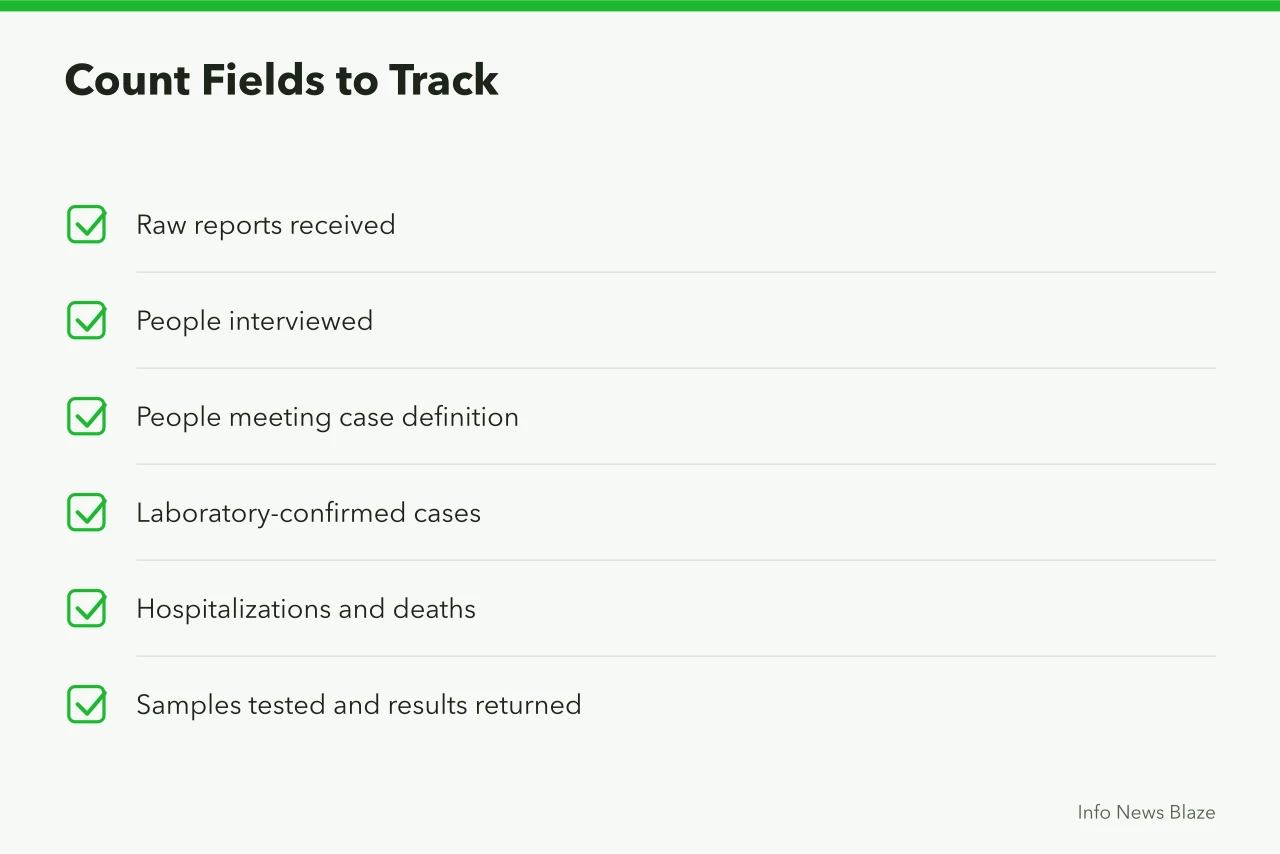
These measures can move in different directions as investigators obtain records and refine definitions. Count separation is the same ledger habit taught for statistics and polls reporting.
Handle a company statement
The fictional juice maker says its internal checks found "no evidence of contamination." The phrase does not establish that every relevant batch was tested or that testing covered the suspected organism. Untested reassurance is a standing pattern in science and health reporting problems: the release is not the evidence.
The reporter asks for batch identifiers, sample source, collection date, laboratory method, result threshold, and whether regulators observed the process. Until those details arrive, the story can quote the statement and state what it does not resolve. The questions map to the evidence sections of the health and science claim checklist.
Attribute advice exactly
At 2 p.m., the department advises people who attended the events to keep packaging, monitor symptoms, and contact a clinician if they meet stated warning criteria. The article should name the department, covered dates, venues, product identifiers if any, and the time the advice was issued.
It should not broaden that instruction into advice for every customer. Nor should it add treatment suggestions from a reporter's general knowledge.
Explain the working hypothesis
A shared product is one possible link. Other possibilities include a venue supplier, an infected food handler, a different shared item, or coincidence. Listing alternatives does not give them equal probability. It shows which evidence investigators might compare.
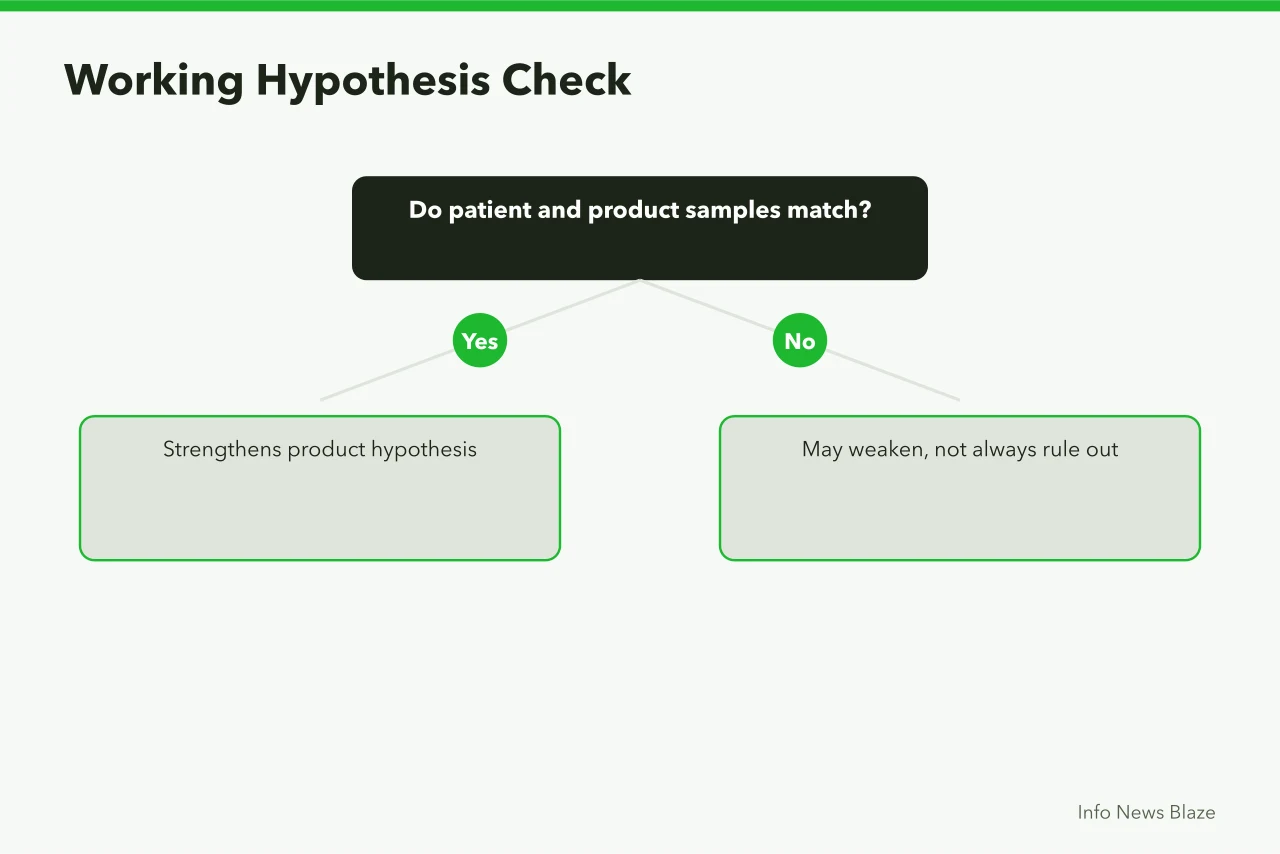
Evidence that could strengthen the product hypothesis includes matching laboratory findings in patients and a retained product sample, a distribution pattern consistent with illness reports, or a production record that identifies a common point. Negative samples may weaken the hypothesis without always ruling it out, depending on what was sampled and when.
Publish the scheduled update
At 6 p.m., testing remains pending. The newsroom updates the time stamp and says the department reported no new confirmed information. This is useful because readers were told when to expect another check.
Federal pandemic communication planning has called for timely, accurate, science-based information that addresses uncertainty. That document concerns pandemic influenza planning, not this fictional local investigation. The relevant reporting lesson is narrow: uncertainty and speed should be managed together rather than allowing speed to erase what is unknown.
The next-day correction test
Suppose testing identifies a different item supplied to all three venues. The newsroom should change the headline and lead, add a dated correction or update note, and explain why the initial juice hypothesis changed. It should also review social posts, alerts, captions, and partner copies.
The correction should not blame the agency for changing a working hypothesis unless the agency misstated the evidence available at the time. An investigation is expected to narrow as evidence arrives. The alert-stage discipline mirrors the developing story desk case, where early wording also had to be rebuilt.
Common questions
Is an illness report a confirmed case?
No. A report is information submitted to investigators. Confirmation depends on the stated case definition and may include clinical, laboratory, place, and time criteria.
Should a suspected product appear in the headline?
Only if its status is unmistakable and naming it serves readers. "Officials investigate juice as possible link" is different from "juice causes outbreak."
What if officials refuse to give a next-update time?
Tell readers when the newsroom will check again and what channels the agency uses for notices.
Does a negative sample clear a product?
Not automatically. Interpretation depends on how the sample was selected, stored, tested, and connected to the suspected batch.