Guides
Background Briefing Guide for Newsrooms
A background briefing guide for newsrooms: frame reader questions, set scope, organize context, label evidence, track updates, and review for clarity.
What to take away
- Define the event or issue before adding history.
- Select background that explains the present situation.
- Separate settled facts, disputed accounts, and open questions.
- Give dates, institutions, terms, numbers, and geography usable context.
- Keep a source trail and an update record for every section.
A background briefing guide helps a reader understand why a current event matters and how its parts fit together. It is not a storage room for everything the newsroom has learned. Each section should answer a likely reader question, establish a needed fact, or explain a relationship that changes the meaning of the news.
Begin with a one-sentence scope statement. Name the subject, place, period, and decision or event the briefing explains. Then list what the piece will not cover. Those boundaries prevent a municipal budget explainer from drifting into a general history of taxation or an election briefing from becoming a biography of every participant.
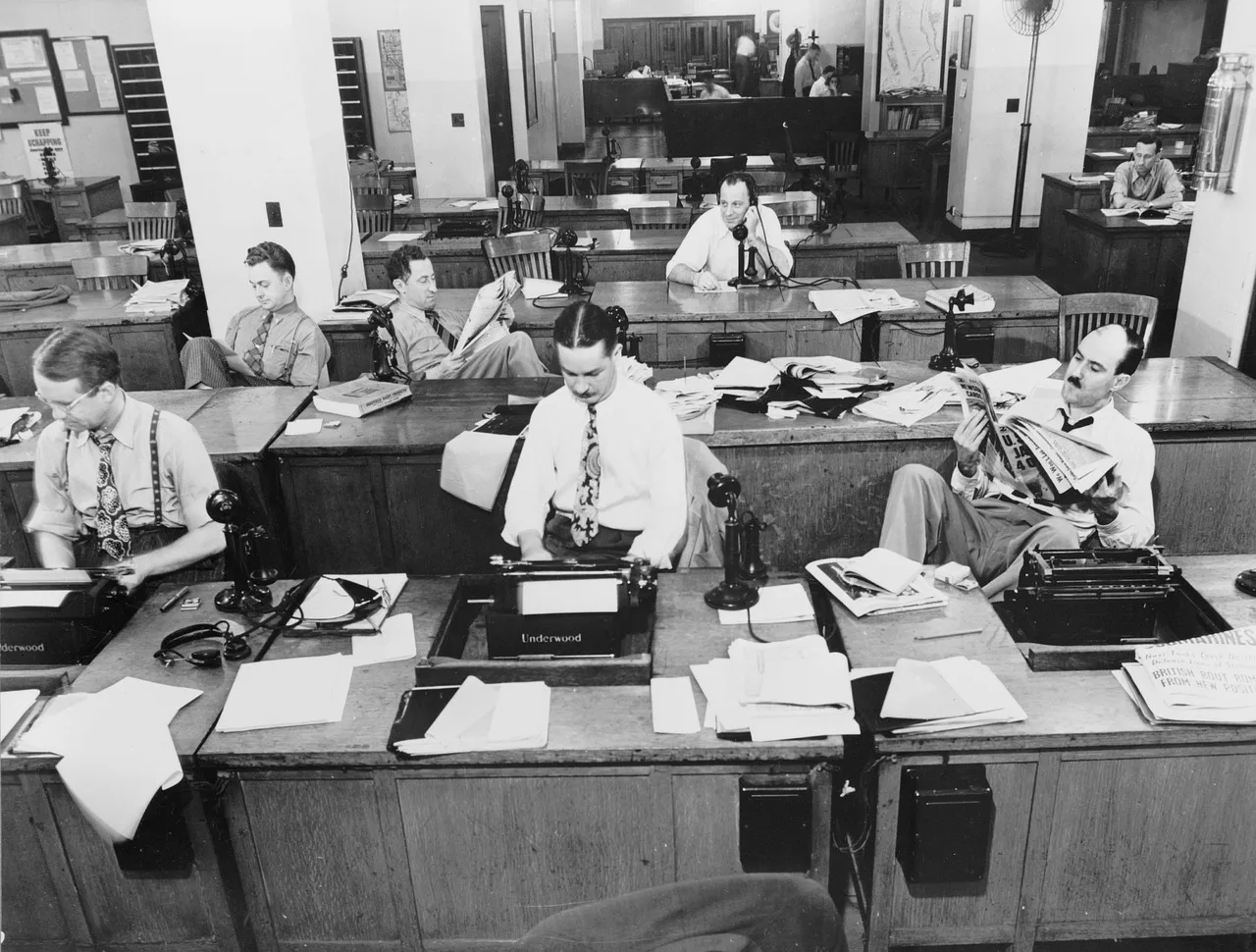
Photo and credit
The photograph illustrates a reporting workspace. It does not depict a person, place, institution, or event discussed in this guide.
Start from reader questions
Write five to eight questions before outlining. A useful set often includes:
- What happened, and why does it matter now?
- Where and when did it happen?
- Which decision or event is at issue?
- Which people and institutions have authority or responsibility?
- What evidence establishes the account?
- What remains disputed or unknown?
- What happens next, and what could change the explanation?
Reader Questions Before Outlining
- What happened or may happen?
- Who has authority to act?
- What process controls the next step?
- What changed from the prior position?
- Who is affected, and how?
- Which facts are disputed or incomplete?
- What should readers watch next?
Put the shortest direct answer near the start. Follow it with the evidence and qualifications needed to make that answer accurate. If the answer depends on a definition, give the definition before presenting a number that uses it. The layered structure matches the guide to developing news stories, with background pulled forward.
Build a context inventory
Use it when
- Chronology
- Order changes cause or responsibility
- Process
- A formal sequence controls the outcome
- Institution map
- Several bodies have different powers
- Definitions
- A technical or legal term sets the scope
- Data
- Scale, trend, or distribution matters
- Geography
- Location changes exposure or authority
- Prior cases
- A sound comparison clarifies the present
Leave it out when
- Chronology
- Dates do not affect the explanation
- Process
- The process has no bearing on the event
- Institution map
- One clearly identified office is involved
- Definitions
- The term has one ordinary meaning
- Data
- A number is decorative or poorly defined
- Geography
- Place has no explanatory role
- Prior cases
- Differences make the analogy misleading
Background earns its place by working: a date shows a warning preceded a decision.
When to Include Context Elements
Use it when
- Chronology
- Order changes cause
- Process
- Formal sequence controls outcome
- Institution map
- Several bodies, different powers
- Definitions
- Term sets the scope
- Data
- Scale or trend matters
- Geography
- Location changes exposure
- Prior cases
- Sound comparison clarifies
Leave it out when
- Chronology
- Dates do not affect
- Process
- No bearing on event
- Institution map
- One office clearly involved
- Definitions
- One ordinary meaning
- Data
- Number decorative or vague
- Geography
- Place has no role
- Prior cases
- Differences mislead
A jurisdiction note explains why an agency can investigate but cannot prosecute, and a denominator turns a large count into a small rate. State each element's function in draft notes; the missing-denominator entry opening statistics reporting problems shows what a skipped denominator note costs.
Order the briefing for use
The Federal Plain Language Guidelines, available through Digital.gov, explain how to organize information for readers. The Plain Writing Act of 2010 requires federal agencies to use plain writing in documents for the public. The guidelines recommend putting the purpose and bottom line first, organizing around audience questions, and presenting processes in their natural order. That guidance supports a question-led briefing, but the newsroom still has to decide which questions the verified record can answer.
A reliable sequence is:
- State the current event and the briefing's scope.
- Give the shortest direct answer.
- Set out the relevant chronology or process.
- Identify the institutions and their roles.
- Define key terms and explain relevant data or geography.
- Present the evidence, disagreements, and uncertainties.
- Explain what happens next and what could change the answer.
Reliable Briefing Sequence
- Current situation and scope
- Immediate significance
- Actors and authority
- Process or chronology
- Evidence and scale
- Disputes, limitations, unknowns
- Next verifiable milestone
Do not force this order when another structure fits better. A geographic emergency may need a location section before institutional history. A court ruling may require the holding before the procedural timeline. For rulings, the Court Reporting Guide explains which parts carry the decision.
Mark evidence status
Use notes that distinguish a published record from a claim about that record. Label material as confirmed, attributed, disputed, estimated, preliminary, superseded, or unknown. These are reporting states, not decorative caveats. For record-side status checks, use a structured official-document review: identify the issuing body, document type, date or version, scope, operative language, and any later document that changes or supersedes it.
Evidence Status Labels
- Confirmed
- Attributed
- Disputed
- Estimated
- Preliminary
- Superseded
- Unknown
For every section, retain the source title, publishing body, date, version, page or table, and the sentence it supports. When two sources disagree, describe the disagreement and check whether they measure different things, cover different periods, or apply different definitions. The Source Material Types Compared table explains what each source class can establish.
Write for later updates
Use precise dates instead of relative phrases such as "last week." Name the edition of a rule, report, or dataset. Avoid language that will silently become false when a hearing ends or a preliminary total changes.
Maintain a short update ledger with the check date, result, affected section, and editor. A new fact may require more than adding a paragraph. It may change the headline, opening answer, comparison, or conclusion.
Editorial review
Before publication, ask an editor unfamiliar with the reporting to state the current situation, responsible institutions, central evidence, main uncertainty, and next step. A wrong answer points to an ordering or definition problem. A missing answer may reveal an unsupported gap.
Plain-language testers formalize this check as paraphrase testing. Digital.gov's plain-language guidance on paraphrase testing has a reader explain each section in their own words and treats every misunderstood passage as a content problem to fix, not a reader failure. It calls for only six to nine participants, a scale a desk can approximate with two or three colleagues.
Read the briefing once only for attribution. Read it again only for time and status. Those passes catch claims that became newsroom voice and old facts written as current conditions.
Common questions
How long should a background briefing be?
Long enough to answer its defined questions with evidence. Scope and reader need matter more than a fixed word count.
Is a timeline always necessary?
No. Use one when sequence explains causation, authority, delay, or change. Otherwise, a process table or short summary may work better.
Can a briefing use older sources?
Yes, for historical facts or stable definitions. Check whether a newer edition, correction, or official record has replaced them.
When should a briefing be rewritten?
Rewrite its framing when new evidence changes the main answer, not only when details need an update.